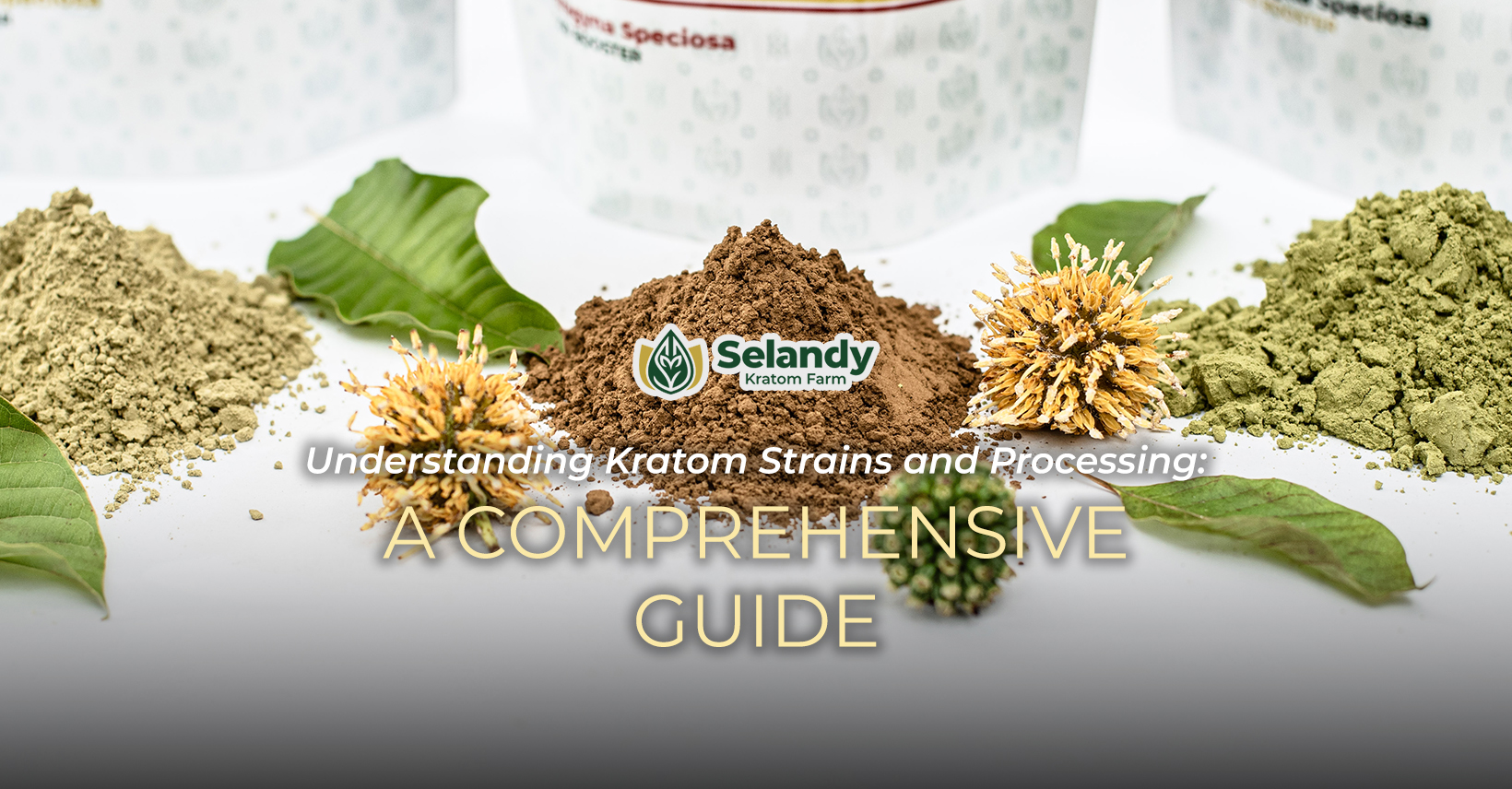
Kratom (Mitragyna speciosa) is a Southeast Asian tree known for its stimulating and sedative effects. Many people worldwide use kratom for its potential health benefits. However, there’s a lot of confusion about the different kratom strains and why there are variations in the color of kratom powder sold on the market.
This article will explain the facts about the kratom plant, its main types, and the processing methods that result in the various colors of kratom powder.
Types of Kratom
Red Vein Kratom
- Description:
Red vein kratom has leaves with red-colored veins. This strain is known for its potent relaxing and pain-relieving effects. - Alkaloid Content:
Red vein strains typically have higher levels of 7-hydroxymitragynine, which contributes to its sedative effects.
Green Vein Kratom
- Description:
Green vein kratom has leaves with green-colored veins. This strain is often used for its balanced energizing effects with a slight relaxation. - Alkaloid Content:
Green vein strains tend to have higher levels of mitragynine, providing a mild stimulant effect and increased focus.

Why Are There Different Kratom Strains?
- Natural Variations
Origin and Growing Conditions: Different kratom strains can originate from various regions in Southeast Asia and grow in diverse environmental conditions, such as soil type and climate, which influence the alkaloid content and leaf characteristics. - Processing Methods
Fermentation and Drying: One of the primary reasons for the different colors of kratom powder is the fermentation and drying process of the leaves. Green or red vein kratom leaves that undergo fermentation tend to change color to reddish or brownish.
Fermentation and Drying Process
- Fermentation
- Impact on Color:
Fermented kratom leaves undergo chemical changes that alter the leaf color from green to red or brown. This process can also affect the alkaloid profile, increasing the content of 7-hydroxymitragynine.
- Impact on Color:
- Drying
- Drying Methods:
Kratom leaves can be dried under direct sunlight or in a shaded area. Sun drying typically accelerates the fermentation process and results in darker-colored leaves.
- Drying Methods:
- End Result: Red or Brown Kratom Powder
- From Leaves to Powder:
After fermentation and drying, the kratom leaves are ground into a powder. Leaves that have undergone fermentation and color change will result in red or brown kratom powder. - Quality and Potency:
While the color of the powder varies, the quality and potency of kratom depend on the processing and cleanliness during production.
- From Leaves to Powder:

Kratom is a plant with various strains, each with unique characteristics and effects.
Conclusion
The two main types are red vein and green vein kratom, distinguished by the color of their leaf veins. The color variations in kratom powder sold on the market are often the result of the fermentation and drying process. This process transforms green leaves into red or brown, resulting in powders of different colors. Understanding these factors helps consumers make informed decisions when choosing kratom products.