The Human Story: Ethical Sourcing in the Kratom Industry
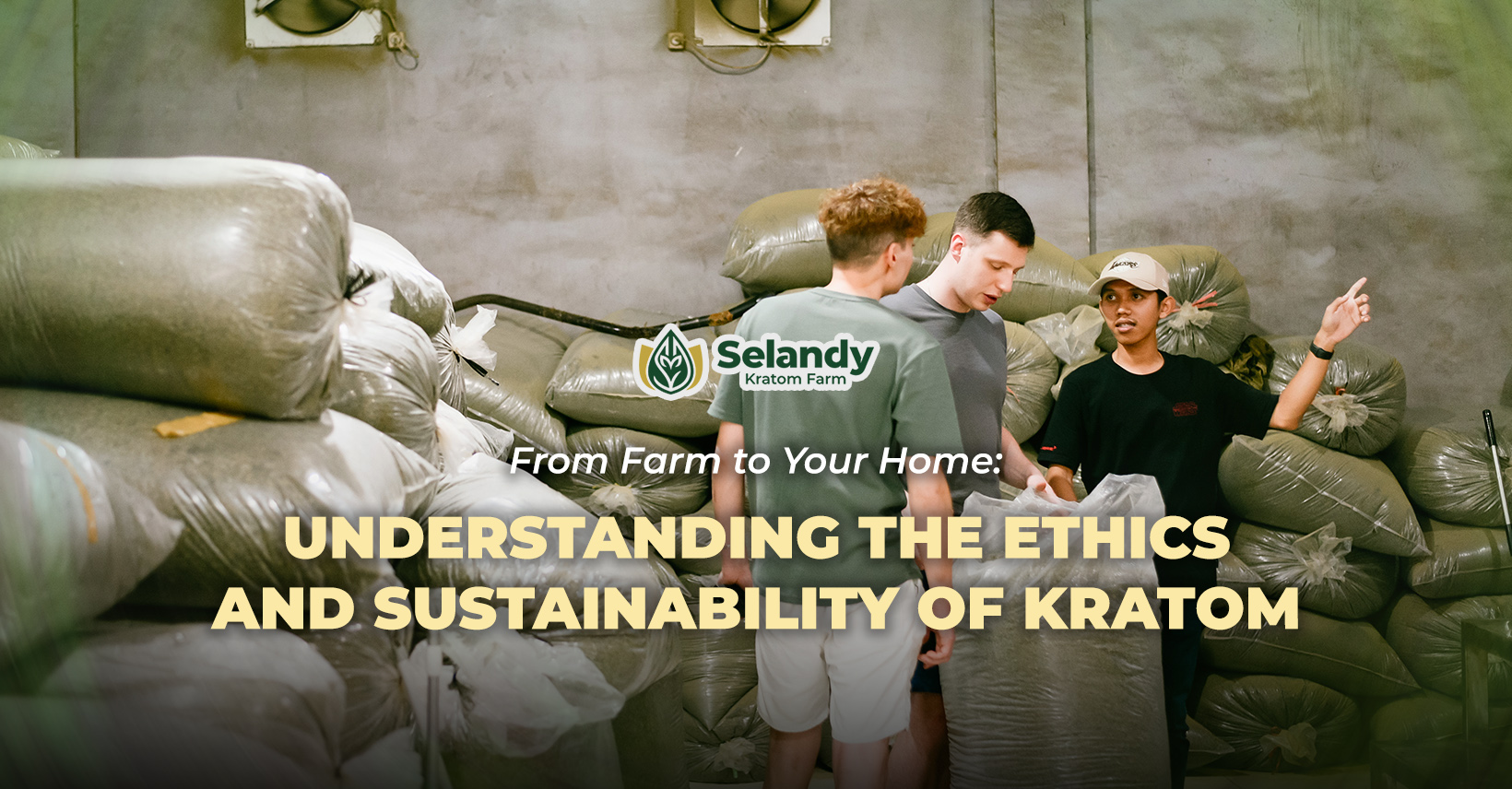
When you purchase a package of kratom, you are not just buying a product; you are becoming part of a story that stretches from the dense jungles of Southeast Asia to your home. Behind every bag of powder is a network of farmers, harvesters, and processors whose lives and communities are deeply intertwined with the botanical. As the kratom industry has grown, so too has the importance of ethical and sustainable sourcing.
This article will explore the human and environmental side of the kratom industry. We will delve into the lives of the farmers who cultivate the plant, the best practices for sustainable harvesting, and what it means for a consumer to support an ethical supply chain. This is a look at the industry beyond its effects, focusing on the people and the planet that make it all possible.

The Farmers of the Forest: A Livelihood Transformed
For generations, farmers in Indonesia, particularly in the Borneo and Sumatra regions, have relied on agricultural staples like rubber, palm oil, and rice. However, these commodities are often subject to volatile market prices and can be environmentally destructive. The global demand for kratom has provided a stable and lucrative alternative.
For many rural communities, kratom has become a lifeline. Farmers can harvest the leaves from trees that grow naturally in the forests or cultivate them on small plots of land without the need for intensive farming practices or harmful chemicals. The consistent demand for kratom exports means that these farmers have a reliable source of income, allowing them to support their families, send their children to school, and build stronger communities.
An ethical kratom supply chain begins with fair wages for farmers. Reputable vendors work directly with farming cooperatives, ensuring that the people who cultivate and harvest the leaves receive a fair share of the profits. This direct relationship cuts out middlemen and empowers local communities, transforming the kratom industry from a commodity trade into a partnership.

A Sustainable Harvest: Preserving the “Lungs of the World”
The environmental impact of kratom harvesting is a critical part of the ethical conversation. Unlike some crops that require large-scale deforestation, kratom trees thrive in their natural environment. A truly sustainable approach to kratom cultivation emphasizes:
- Responsible Harvesting: Instead of cutting down entire trees, farmers practice selective harvesting, picking only the mature leaves and leaving the trees to continue to grow and flourish. This not only preserves the forest but also ensures a consistent and high-quality product for years to come.
- Agroforestry: Many farmers practice agroforestry, where kratom trees are grown alongside other native species. This maintains biodiversity, improves soil health, and creates a more resilient ecosystem.
- No Harmful Chemicals: Kratom trees are naturally robust and rarely require pesticides or herbicides. This means that an ethical product is not only safer for consumers but also for the environment, preventing chemical runoff into local water sources.
By supporting vendors who prioritize these practices, consumers can contribute to the preservation of Indonesia’s vital rainforests and support a green, sustainable industry.
The Consumer’s Role: Voting with Your Wallet
As a consumer, you have the power to shape the kratom market. Your purchasing decisions directly influence the entire supply chain. Here’s how you can be an ethical consumer:
- Ask About Sourcing: Look for vendors who are transparent about where their kratom comes from. Do they mention working with specific farming communities? Do they have a clear mission to support local livelihoods?
- Look for Certifications: Some vendors are part of programs that certify ethical sourcing and fair trade practices. While this is not yet a widespread standard, a vendor’s participation in these programs is a strong indicator of their commitment to ethics.
- Prioritize Quality Over Price: The cheapest kratom is often sourced from an unethical and unsustainable supply chain. It may also be of a lower quality and be more likely to contain contaminants. Investing in a high-quality, ethically sourced product is a small price to pay for supporting a responsible industry.

Final Thoughts: A Partnership for a Better Future
The story of kratom is deeply human and deeply connected to the environment. It is a story of a plant providing a stable livelihood for farmers, a natural remedy for millions of users, and a hope for a more sustainable agricultural model. By understanding and supporting ethical and sustainable practices, consumers can become partners in this journey. Your choice to buy from a reputable vendor who values fair trade and environmental stewardship is a powerful act that helps build a better, more professional, and more responsible future for the kratom industry.
Important Warnings and Safety Considerations
WARNING: This product has not been approved by the U.S. Food and Drug Administration (FDA) and therefore, is not intended to diagnose, treat, cure, or prevent any disease. See Import Alerts 54-15 issued by the FDA for more information.
Kratom is not universally regulated, and its use should be approached with caution and personal responsibility. Always consult a healthcare professional before using kratom, especially if you have pre-existing health conditions or are taking other medications. Always start with a low dose, be mindful of your usage, and source your products from reputable vendors who provide third-party lab testing.