Introduction
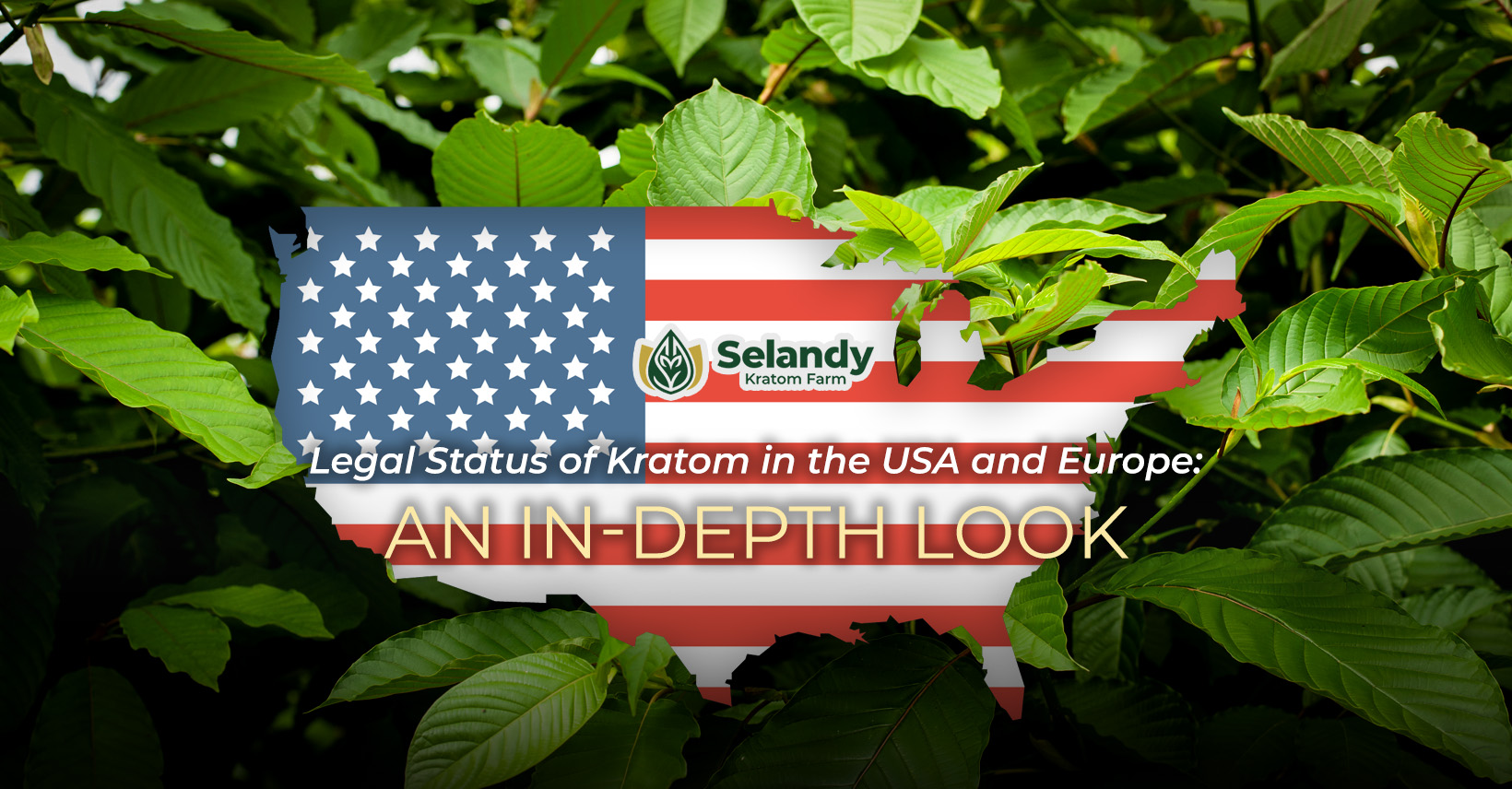
Kratom (Mitragyna speciosa) is an herbal supplement that is gaining popularity due to its potential in relieving pain, boosting energy, and reducing anxiety. However, the legal status of kratom varies significantly across different regions. This article provides a comprehensive overview of the legal landscape of kratom in America and Europe, highlighting key regulations and current debates.
Legal Status of Kratom in America
Federal Regulations
The legality of kratom at the federal level in the United States remains a controversial issue. Currently, kratom is not classified as a controlled substance under the Controlled Substances Act (CSA). However, the Food and Drug Administration (FDA) and the Drug Enforcement Administration (DEA) have expressed concerns about its safety and potential for abuse. In 2016, the DEA proposed a ban on kratom, which was met with significant public opposition, leading to the proposal being withdrawn.
State-Level Regulations
The legality of kratom in the United States varies from state to state. While some states accept kratom, others have implemented strict regulations or outright bans. Here are some examples:
- States with Bans:
Kratom is illegal in states such as Alabama, Arkansas, Indiana, Rhode Island, Vermont, and Wisconsin. These states have classified kratom as a Schedule I substance, similar to heroin and LSD. - Regulated States:
States like Nevada, Utah, and Arizona have enacted the Kratom Consumer Protection Act (KCPA), which sets guidelines for the sale of kratom, including age restrictions and labeling requirements. - Legalized States:
In many states, kratom remains legal and unregulated, allowing consumers to purchase and use it without restrictions.
Local Bans and Regulations
In addition to state laws, some cities and counties have enacted their own bans or regulations on kratom. For example, Denver, Colorado, has banned the sale of kratom for human consumption, although possession remains legal.

Legal Status of Kratom in Europe
European Union Regulations
The European Union (EU) does not have a unified stance on kratom, resulting in varying regulations among its member states. The European Medicines Agency (EMA) has not approved kratom for medical use, and it is generally regulated as a novel food or a controlled substance depending on the country.
Country-Level Regulations
- United Kingdom:
Kratom is classified as a psychoactive substance under the Psychoactive Substances Act 2016, making its sale, production, and distribution illegal. - Germany:
Kratom is regulated under the German Medicines Act, which restricts its sale and use without a prescription. - Italy:
Kratom is a controlled substance, and its sale and possession are illegal. - Netherlands:
Kratom remains legal and can be purchased in smart shops, although its use is closely monitored. - France:
Kratom is banned, and its sale, purchase, and possession are illegal. - Poland:
Kratom is classified as a narcotic, making its sale and possession illegal.
Ongoing Debates and Future Outlook
In both America and Europe, the legal status of kratom is a subject of ongoing debate. Proponents highlight its potential benefits and call for regulation rather than prohibition. They emphasize the need for quality control and consumer safety measures. Meanwhile, opponents are concerned about kratom’s safety profile and potential for abuse, pushing for stricter controls or bans.
Conclusion
The legal status of kratom is complex and varies significantly in America and Europe. While some regions accept kratom for its potential benefits, others have implemented strict regulations or bans due to safety concerns. As the debate continues, it is essential for consumers and stakeholders to stay informed about the evolving legal landscape and support balanced policies that ensure safety and access to kratom.